
Let's Do This.
Filling the holes in the news and politics.

No young people killed themselves from 1987 to 1992 in over half of the indigenous communities in British Columbia. But over the same time period, other tribal communities in the same region suffered youth suicide rates 500 to 800 times the national average. How could this be?
Psychologists Michael J. Chandler and Christopher Lalonde spent years trying to solve this mystery. What they discovered was fascinating: communities with the most control over their lands, their languages, their schools and their police also had the lowest suicide rates. Places with the least amount of control? They had higher rates.
It’s always hard to know which factors cause suicide rates to rise or fall—and which are just coincidental. But here is one thing we know for sure, from decades of research (and from living on this planet for any period of time): Humans need to feel that they can affect their own destiny. This sensation, sometimes known as agency, is critical to a full life.
The utter lack of agency, on the other hand, can lead to depression, misplaced aggression, self-harm and violence. That is what we are seeing now. Pummeled with news footage of terrible things happening thousands of miles away (or right next door), many people feel a sickening kind of emptiness — a feeling that we are helpless to assert control over the things that matter most, from gas prices to AI adoption to war.
But are we as helpless as we feel? Sometimes, yes. Other times, we have no idea what is being done and what could be done. Why? Because traditional media does not rigorously cover these stories (even though they can be extremely engaging and impactful, as our friends at the Solutions Journalism Network have taught us).
Here’s how the entrepreneur and journalist Jennifer Brandel describes the problem1:
“Urban planners often think about the last mile problem, where there’s many people who live a mile or more away from where a bus or train service line will end. And I feel like journalism so often drops people off in the middle of nowhere, where they don’t know where to go or what they can do about it…Their psyche has been dropped off in the middle of a burning canyon of trees, and they’re just like ‘I don’t know how we get out of this.’” — Jennifer Brandel

It’s time to find our way out of the burning canyon, I think we can all agree. We don’t have to live this way. Over at Good Conflict, we are building our own last-mile service, the kind of media ecosystem we wish we could find in the world.
Last week, we launched The Understory, a Substack community designed to help us all make sense of the controversies dividing us — at work, at home, in our neighborhoods, at church and at the gym. Not by picking a side, but by investigating what’s underneath.

Expect regular posts from myself and my co-founder Hélène Biandudi Hofer and our Good Conflict colleagues: stories, research, real-life examples, practical tools and those moments of “Wait, that happened to you, too?” We’ll share what we’re learning, what’s working (and what isn’t) and what we think is worth paying more attention to out in the world. We’ll ask for your advice and wisdom, and we’ll listen.
Most of all, we will give you something to do. You’ll get regular updates, invitations and stories about people and communities who are actively working on the hard stuff — with a sense of humor. Founding subscribers will have full access to all of our courses2 as well as our growing library of resources and life hacks. With your help, The Understory will be our village square, where we announce live events, hold special gatherings and occasionally hand out free stuff and coupons (including a special discount to MasterClass, good until June 22, 2026!).
Why Call It The Understory?
The Understory is what’s actually going on beneath all the noise in any given relationship or controversy. Sometimes, the Understory is about respect. Or fear, control or care. It’s the deeper current running beneath the things that trouble and divide us. And here’s what I’ve learned: the sooner you start looking for the Understory — in the news, in politics, in your own relationships — the more manageable and interesting everything in our chaotic world becomes.
So please join me over at The Understory, and let’s build the media we want to see.
Here’s to giving our worries a job,
Amanda
3 Good Things:
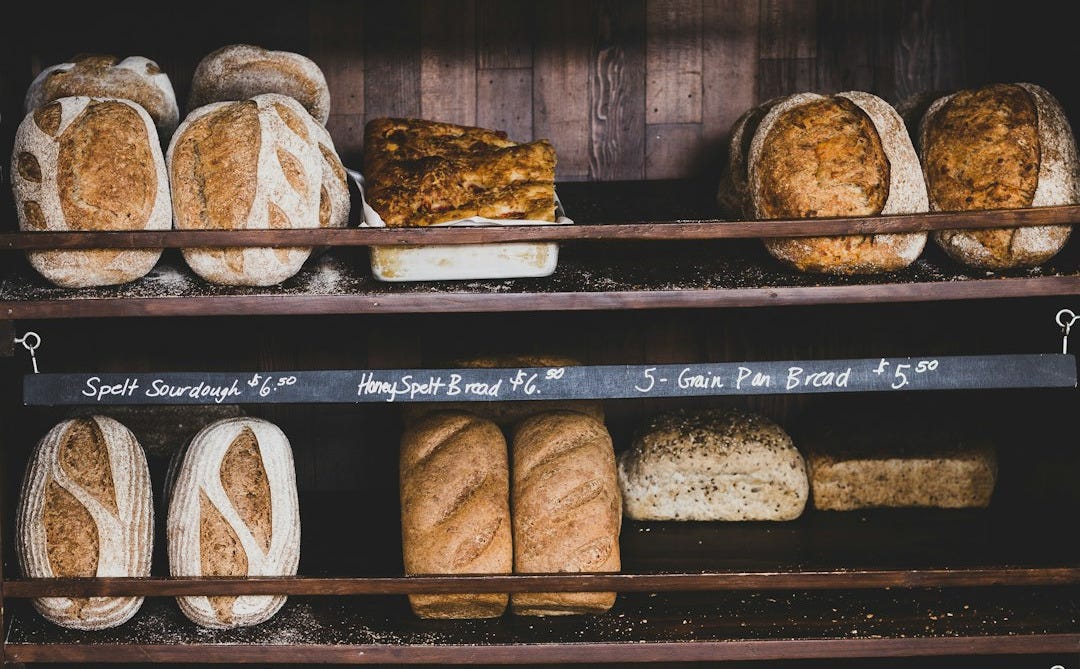
Free Restaurant Bread! Finally, an Atlantic cover story I could read without falling into a deep depression! In case you missed it, Caity Weaver’s quest to discover the country’s best free restaurant bread is funny, rollicking, unexpected and charming. It did not take itself too seriously. It did not prophesy doom and leave us alone in a burning canyon. It DID give us something to do (go get that damn bread).
Taking Action: The creative minds at Disagree Better keep rolling out new, countercultural media spots featuring Republican and Democratic lawmakers behaving with basic human decency, like one between Senators Mark Kelly (D-AZ) and John Curtis (R-UT). But what really got my attention was the request for the public to DO something — in this case, to thank the leaders featured in these ads right here. I don’t have a voting member of Congress (since I live in DC) but I thanked these Senators anyway. Because I know the staffers and interns processing the usual messages almost never hear from Americans encouraging them to behave with humility and grace. They constantly hear the opposite message. It felt surprisingly great to do this. I may need to do it every day, assuming that doesn’t land me on a watch list.
Drop in Suicides: Speaking of the mystery of suicide rates, here’s an intriguing Scientific American story: The 10 states with the biggest increases in 988 suicide hotline calls had an 18% decrease in youth suicides from 2022 to 2024, according to this new JAMA study. As always, it’s hard to say what’s causing what, but it is a hopeful and actionable story worth reading. (To learn about donating or volunteering to support the 988 hotline in your area, look for your state’s listings here.)
© 2026 Amanda Ripley. See privacy, terms and information collection notice.
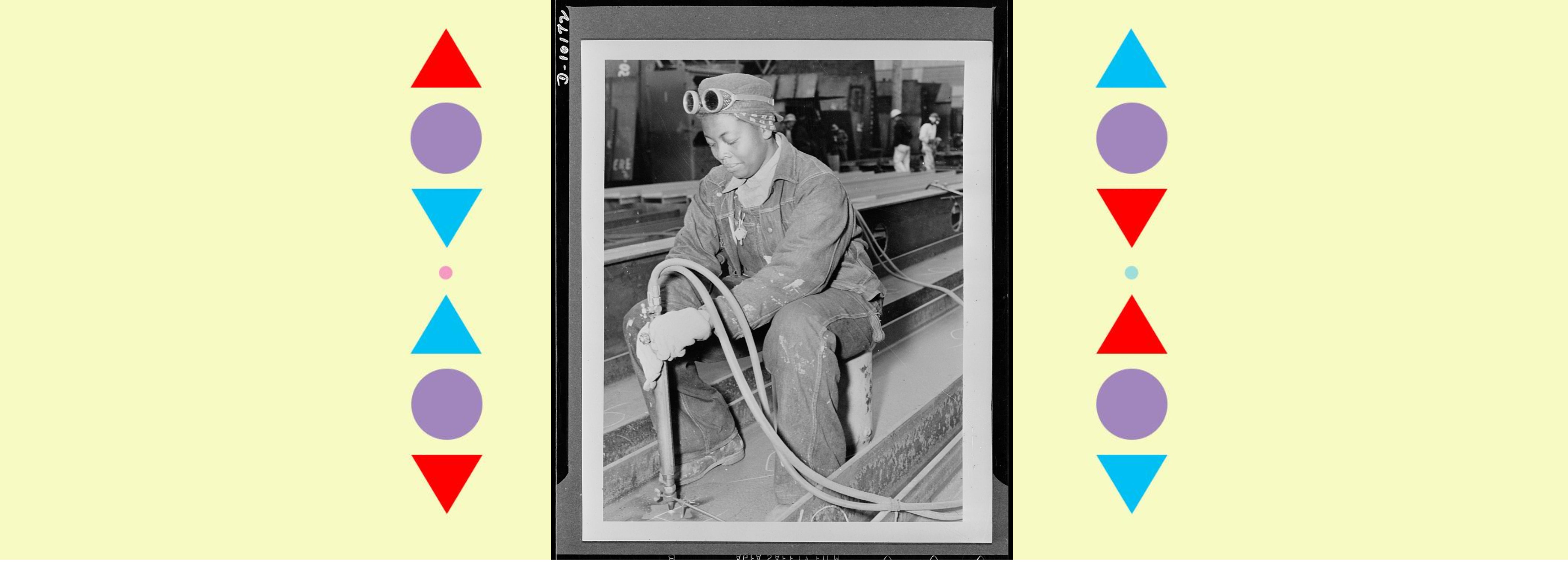
Top Image: Anna Bland at work on the SS George Washington Carver in Richmond, VA, in 1943. Farm Security Administration - Office of War Information Photograph Collection (Library of Congress).
Jenn Brandel’s quote comes to us via my friend and fellow journalist Cristian Lupșa, who cited her words in his captivating essay Why Does Our Newsroom Exist?
Including access to our Breakthrough Course, our most in-depth offering yet (normally priced at $897).